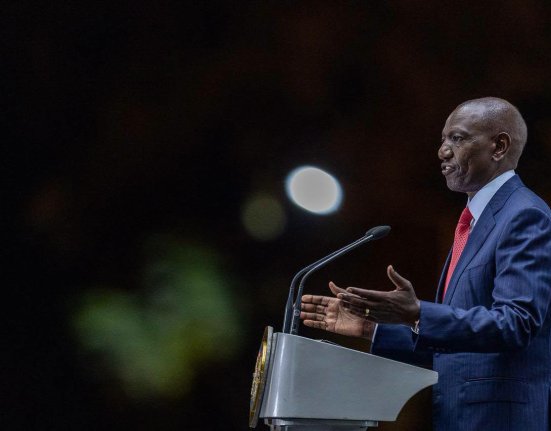


- Wajir Woman Representative Fatuma Jehow was heckled during a public event in Wajir North.
- The visit marked her first widely reported return to the area since the 2022 General Election.
- Some members of the crowd chanted political slogans expressing dissatisfaction with her leadership.
- The incident highlights growing voter expectations as Kenya moves closer to the 2027 elections.
- Despite the disruptions, the visit included community engagements and development-related activities.
Wajir Woman Representative Fatuma Jehow encountered a mixed reception during her first widely reported visit to parts of Wajir North since winning the 2022 General Election. While supporters welcomed her arrival, another section of the crowd loudly chanted slogans questioning her leadership, creating a tense atmosphere that quickly drew attention online.
The incident has become one of the latest examples of how public opinion is increasingly shaping Kenya’s political landscape. With the 2027 General Election drawing closer, elected leaders are finding that voters are more willing than ever to publicly express both support and frustration.
A Visit That Sparked Political Attention
Jehow arrived in Wajir North as part of a constituency tour that included meetings with residents and activities linked to education and community development. Videos shared on social media showed enthusiastic supporters alongside groups chanting “Wantam,” a political slogan commonly used to suggest that a leader should serve only one term.
Although public heckling is not new in Kenyan politics, such moments often spread quickly online, fueling wider political discussions. In many cases, these reactions reflect local concerns about representation, accessibility, and expectations of elected leaders rather than a complete picture of public opinion.
Political analysts generally agree that visible public reactions should be viewed alongside broader community engagement. A noisy crowd may attract headlines, but elections are ultimately decided through sustained voter support across an entire constituency.
What the Incident Means for Wajir Politics
For many residents, development remains the biggest priority. Communities often expect leaders to maintain a regular presence, communicate openly, and deliver on campaign promises. When those expectations are not met, public frustration can become more visible during official visits.
At the same time, supporters of the Woman Representative argue that her office has continued implementing programs through government-funded initiatives, including projects targeting women, students, and vulnerable groups. Like many elected leaders, she now faces the challenge of convincing voters that her record matches their expectations.
Political observers also note that early campaigning has already begun across many parts of Kenya. Public appearances are increasingly being viewed through an electoral lens, making every visit an opportunity for both supporters and critics to send a message.
Growing Voter Expectations Ahead of 2027
Kenyan voters have become increasingly vocal over the past few election cycles. Social media, live video streaming, and instant news coverage mean that moments from political rallies can reach millions of people within hours.
Now, many citizens expect leaders to remain visible throughout their terms instead of appearing only as elections approach. This shift reflects a broader demand for accountability and continuous engagement.
Whether the chants during Jehow’s visit represent widespread dissatisfaction or the views of only part of the crowd remains unclear. However, the event serves as a reminder that public perception can change quickly, especially in today’s highly connected political environment.
As Kenya moves closer to the 2027 General Election, leaders across the country are likely to face increasing scrutiny from voters. For Fatuma Jehow and many other elected officials, maintaining strong relationships with constituents may prove just as important as delivering development projects. Public appearances are no longer just ceremonial—they have become real-time tests of political support.