
keynotes
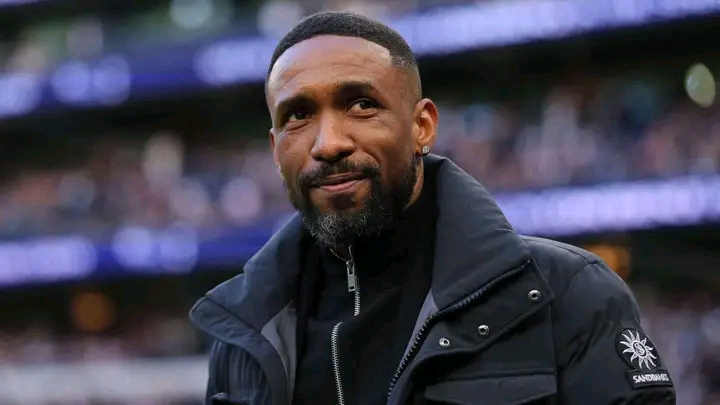
- Jermain Defoe has left Woking after only four months in his first senior managerial role.
- Woking says internal concerns had been growing before the departure.
- The club claims Defoe missed an important meeting and training session.
- Defoe has said circumstances made it impossible for him to continue.
- The unexpected split highlights the importance of trust and communication in football management.
Jermain Defoe’s short spell as Woking manager has ended in unexpected fashion, with the former England striker leaving after just four months in charge. While Defoe said circumstances made it impossible for him to continue, Woking later shared its own account, saying growing concerns within the club played a role in the decision. The different explanations have left supporters wondering what really happened behind the scenes.
For many fans, the news came as a surprise. Defoe had only recently stepped into his first permanent management role after enjoying a successful playing career. His appointment was seen as an exciting move for both the club and the former Tottenham star.
Different Views on an Unexpected Departure
Defoe described his time at Woking as an important learning experience and expressed pride in the work completed with his coaching staff and players. He also thanked the club for the opportunity, while admitting he was disappointed that the journey ended so quickly.
However, Woking’s leadership offered a different explanation. According to the club, concerns had been raised by several people across different departments in recent weeks. Club officials also claimed that requests for planning reports were not fulfilled and that Defoe, along with his assistant, failed to attend a scheduled meeting and training session.
The contrasting statements have naturally created speculation. Neither side has revealed every detail, meaning many questions remain unanswered. As is often the case in football, the full story may never become public. 0
Why Management Is Different From Playing
Being a successful footballer does not automatically guarantee success as a manager. Coaching requires a completely different set of skills. Tactics matter, but so do communication, planning, leadership and working closely with club executives.
Many former players spend years building coaching experience before taking charge of a team. Defoe had prepared for management through coaching roles and education, but every club presents unique challenges. Running a football team involves handling recruitment, staff management, player relationships and long-term planning alongside results on the pitch.
Now, this experience may still prove valuable. Many respected managers have faced setbacks early in their careers before finding success elsewhere.
What This Means for Woking
For Woking, attention quickly shifts to finding stability before the new season. A managerial change this close to competitive action is never ideal, as players must adapt to new ideas and routines.
The club will be hoping to appoint someone who can build on the work already completed while restoring focus inside the dressing room. Supporters will also want clarity and consistency after such a high-profile departure.
Meanwhile, Defoe remains one of English football’s most respected former forwards. Despite this setback, his coaching journey is unlikely to end here. Clubs often value managers who learn from difficult experiences and continue to develop.
Looking Ahead
Football can change quickly. A promising appointment can suddenly become an unexpected exit, reminding everyone that success depends on much more than reputation.
For Defoe, this chapter may simply be the beginning of a longer managerial career. For Woking, rebuilding trust and preparing for the season ahead now become the immediate priorities. Whatever the full story may be, the situation highlights one lesson shared across football: strong communication behind the scenes is often just as important as performances on the pitch. 1