

Key Takeaways
- President William Ruto has supported a proposed Vision 2060 blueprint for Kenya’s long-term development.
- The plan is expected to guide the country beyond the current Vision 2030 framework.
- The proposed blueprint focuses on economic growth, industrial development, technology, and better living standards.
- Ruto says long-term planning and patience are necessary for meaningful national transformation.
- The government has promised public participation before the final vision is implemented.
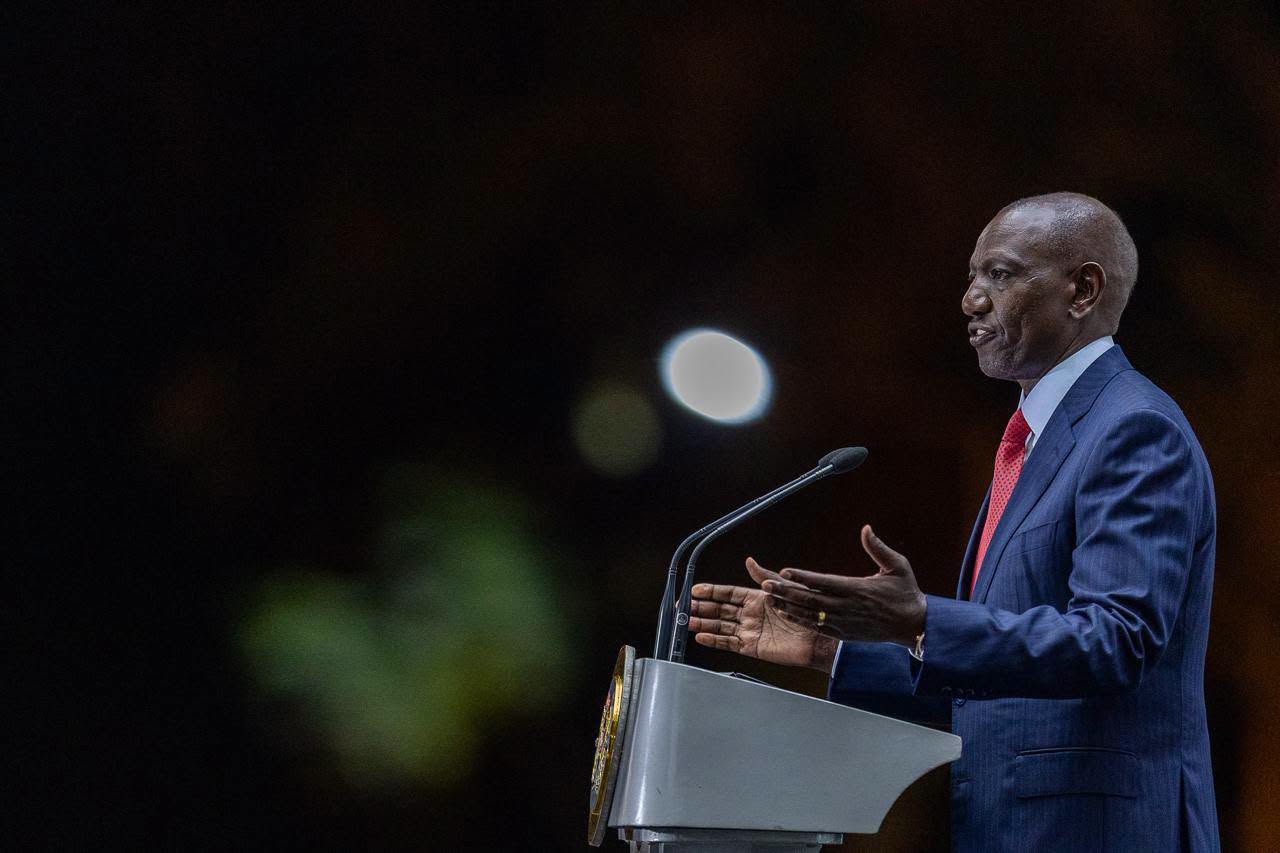
President William Ruto has backed a proposed Kenya Vision 2060 development blueprint, describing it as a roadmap that could shape the country’s future for generations. The long-term plan is designed to guide Kenya beyond Vision 2030 by focusing on economic transformation, innovation, infrastructure, and improved opportunities for citizens.
The President has urged Kenyans to support long-term national planning, arguing that major transformations do not happen overnight. According to government officials, the proposed blueprint is meant to create continuity in development projects and ensure that national goals are not abandoned whenever political leadership changes.
Main Story
Kenya has relied on Vision 2030 as its main development framework since it was introduced in 2008. The plan aimed to transform the country into a globally competitive middle-income economy through economic, social, and political reforms.
However, as the country approaches the end of that timeline, leaders and policymakers have started discussions on what should come next. The proposed Vision 2060 blueprint is expected to provide a new direction that reflects changing global trends, including technology, climate change, industrial growth, and changing economic needs.
Ruto has argued that Kenya needs a clear long-term strategy instead of relying on short political cycles. He has often said that development requires consistency, proper implementation, and commitment from both leaders and citizens.
Here’s the thing: a national development plan is like building a house. The foundation, design, and materials must be planned carefully before the final structure can stand. Supporters of the blueprint believe a long-term approach can help Kenya create stable economic growth and attract more investment.
The proposed plan is expected to address key areas such as manufacturing, agriculture, digital technology, energy, infrastructure, healthcare, education, and job creation. These sectors remain central to Kenya’s ambition of becoming a more industrialized and competitive economy.
Government officials have also highlighted the importance of protecting development projects from political changes. A major challenge in many countries has been the tendency for new administrations to abandon projects started by previous governments. A long-term framework could help maintain continuity.
Why the Vision 2060 Plan Matters
For ordinary Kenyans, the biggest question is simple: how will this plan improve daily life?
A successful development blueprint should eventually translate into better jobs, affordable services, stronger businesses, improved infrastructure, and more opportunities for young people.
Kenya has a young population, and millions of citizens enter the job market every year. This means future development plans must focus not only on economic growth figures but also on creating real opportunities for families and communities.
Technology is also expected to play a major role. Digital services, artificial intelligence, innovation, and modern industries are changing economies around the world. Kenya’s ability to compete will depend on how well it invests in skills, infrastructure, and innovation.
However, the success of Vision 2060 will depend heavily on implementation. Many Kenyans have welcomed ambitious plans in the past but remain concerned about whether promises translate into visible results.
What Happens Next?
The proposed Vision 2060 blueprint is expected to go through further discussions, including public participation, before becoming a fully adopted national strategy.
Public involvement will be important because long-term development affects every part of society. Farmers, business owners, workers, students, and communities will all have a stake in deciding what Kenya’s future should look like.
The government will also face the challenge of balancing ambitious development goals with economic realities, including public debt, cost of living pressures, and the need for efficient use of resources.
Conclusion
President William Ruto’s support for the Kenya Vision 2060 blueprint represents an attempt to create a long-term direction for the country after Vision 2030. The plan focuses on building a stronger economy, encouraging innovation, and improving opportunities for future generations.
Ultimately, the success of the blueprint will not only depend on the vision itself but on how effectively it is implemented. For many Kenyans, the real measure will be whether the plan delivers meaningful changes in jobs, services, and quality of life.