

Key Takeaways
- Satoshi Nakamoto’s P2P Foundation profile lists April 5, 1975 as a birth date, making today the pseudonymous founder’s listed 51st birthday.
- No verified proof exists that the date is a real birthday — it may have been chosen for symbolic reasons tied to US monetary history.
- April 5 matches the anniversary of Executive Order 6102, the 1933 order that banned private gold ownership in the United States.
- The birth year of 1975 aligns with the year Americans regained the legal right to privately own gold.
- Satoshi’s last public forum post was in December 2010, with final private messages sent to developers in 2011.
- No verified communication from Satoshi has surfaced since, leaving the identity behind Bitcoin permanently open to debate.
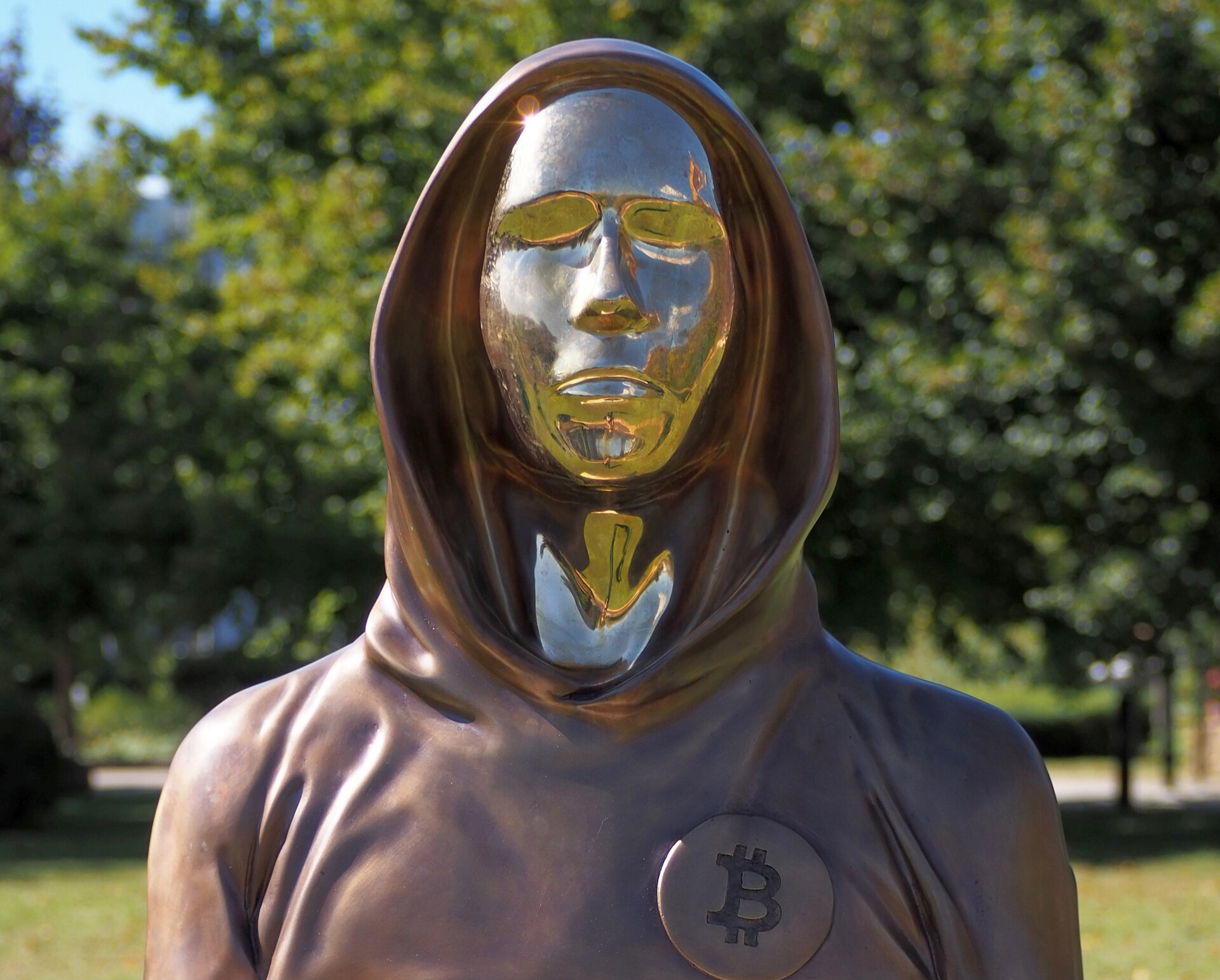
Today, April 5, 2026, the Bitcoin community is marking what would be Satoshi Nakamoto’s 51st birthday — at least according to a single line in a public profile. It is a small detail, but in a world built around one of the most anonymous figures in financial history, even a date carries weight.
The birth date comes from Satoshi’s profile on the P2P Foundation, a platform the Bitcoin creator used to introduce the project to the public back in 2009. The entry lists April 5, 1975 as the date of birth. That is essentially all it says. No location, no photo, no traceable identity — just a name the world now knows very well and a date that sparks fresh conversation every single year.
Is the Date Real or Was It Chosen on Purpose?
Here is where things get interesting. April 5 is not just any date on the calendar. It marks the anniversary of Executive Order 6102, signed by President Franklin D. Roosevelt on April 5, 1933. That order forced Americans to hand over most of their privately held gold to the Federal Reserve, effectively ending gold as a personal store of value for ordinary citizens.
And the year 1975? That is when President Gerald Ford reversed course and made it legal again for Americans to privately own gold. So the full date — April 5, 1975 — sits precisely at the intersection of two landmark moments in US monetary policy.
Coincidence? Possibly. But Bitcoin was built as a direct challenge to central banking and government control of money. Many in the crypto community find it hard to believe the overlap is accidental. Whether Satoshi chose the date as a quiet nod to monetary freedom or simply picked something at random, nobody can say for certain. That ambiguity is very much on brand.
The Silence That Became Part of the Legend
What makes the birthday discussion land differently each year is the fact that Satoshi is not around to comment on it. The last known public post from the Bitcoin founder appeared on the BitcoinTalk forum on December 13, 2010. A few months later, in 2011, private messages went out to a handful of developers — one of which reportedly said that Bitcoin was in “good hands.” Then, nothing.
No verified message. No confirmed sighting. No credible proof that Satoshi Nakamoto, whoever that really is, has communicated publicly in over 15 years.
That silence has made the mystery both enduring and, in some ways, essential to Bitcoin’s identity. Satoshi stepping away removed any central authority from the project. No founder to pressure, no single person to hold accountable, no one to issue or freeze funds. The disappearance was, arguably, the most important thing Satoshi ever did for Bitcoin’s long-term credibility.
Why a Birthday With No Proof Still Matters
You might wonder why so much attention goes to a date that may not even be real. Part of it is human nature — we gravitate toward personal details when trying to understand something vast and abstract. Bitcoin changed global finance. Knowing even a rough outline of the person behind it feels meaningful.
But there is something bigger here too. Every April 5, the conversation circles back to the founding philosophy of Bitcoin: distrust of centralized monetary power, the value of financial sovereignty, and the idea that a system does not need a visible leader to function. Whether Satoshi is 51 today, much older, or a collective that never had a birthday at all — the network keeps running, the blocks keep getting mined, and the questions keep going unanswered.
And somehow, that is exactly how it was always supposed to work.