

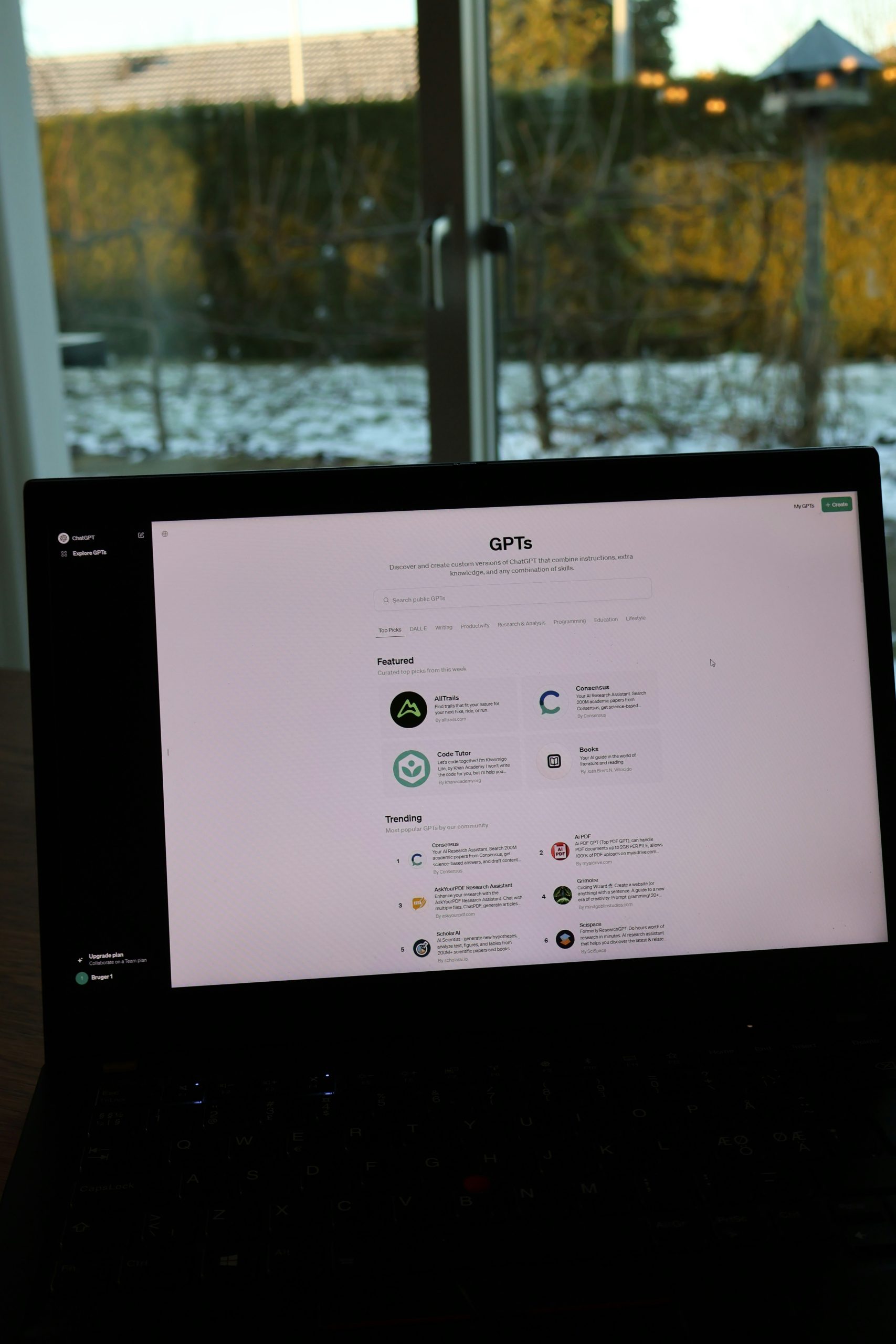
OpenAI is moving toward a bigger, simpler desktop product that brings its main tools together in one place. According to the report confirmed by the company, the plan is to combine ChatGPT, Codex, and a browser into a single desktop superapp designed to make the user experience easier and more connected.
That may sound like a small product update, but it is actually a strong signal about where OpenAI wants to go next. Instead of making users jump between separate apps for chatting, coding, and browsing, the company appears to be betting on one unified workspace. In simple terms, OpenAI wants to make its tools feel less like separate products and more like one system that works together.
What OpenAI is building
The core idea is straightforward: one desktop app that combines the company’s ChatGPT app, Codex coding platform, and browser. The goal is to simplify how people use OpenAI’s tools and reduce the friction of moving from one app to another. Reuters reported that OpenAI confirmed the Wall Street Journal’s report on the plan.
For users, this kind of setup could feel a lot more natural. Imagine writing a question in one place, checking information in a browser inside the same environment, and then switching into code work without leaving the app. That is the kind of smooth flow OpenAI seems to be aiming for.
Why a superapp matters
The term superapp is often used for a product that bundles several services into one platform. The appeal is simple: fewer tabs, fewer logins, fewer interruptions. For AI tools, that can matter even more because many users now use them for different jobs on the same day. One minute they are asking questions, the next they are writing code, and later they are researching something online. A combined app can make that workflow feel much cleaner.
OpenAI’s move also shows that it is thinking beyond a single chatbot. ChatGPT became the company’s best-known product, but the market for AI is widening fast. By unifying its products, OpenAI may be trying to create a stronger everyday platform rather than a set of separate tools people open only when they need them. That is an important strategic shift.
Leadership changes are part of the plan
The restructuring is not just about software. OpenAI also said that President Greg Brockman will temporarily oversee the product overhaul and related organizational changes, while Chief of Applications Fidji Simo will lead the sales team as the company prepares to market the new app. That suggests the company is treating this as a major internal project, not a side experiment.
In the report, Simo said the company had been spreading its efforts across too many apps and stacks, and that the fragmentation was slowing things down and making it harder to hit the quality bar. That comment is revealing. It points to a classic product problem: when a company grows quickly, its tools can become scattered, and the user experience starts to feel messy. OpenAI seems to be trying to fix that before it becomes a bigger issue.
The competitive pressure is real
OpenAI is not making this move in a vacuum. The company is facing rising competition from Anthropic, according to the report. In fast-moving AI markets, product design is not just about convenience. It is also about staying relevant, keeping users inside your ecosystem, and making your platform hard to replace.
That is why a desktop superapp could matter so much. If users do most of their work inside one OpenAI environment, the company can build stronger habits around its products. That can be powerful in a market where switching costs are low and new tools appear quickly.
What this could mean for users
For everyday users, the biggest benefit would likely be simplicity. A unified desktop app could make OpenAI’s tools easier to learn, easier to access, and easier to use together. It may also reduce the feeling that each task requires a separate app or workflow.
- Less switching: Users may move between chat, coding, and browsing more smoothly.
- Cleaner workflow: One app can make the experience feel more organized.
- Stronger product focus: OpenAI may be able to improve quality faster by working from one core platform.
Of course, the success of the project will depend on execution. A superapp only works if it stays fast, stable, and easy to understand. If it becomes crowded or confusing, it could create the same fragmentation OpenAI is trying to avoid. That is the challenge with all-in-one software: it promises convenience, but only if the design stays disciplined.
OpenAI is also building on Codex
Another important detail is that OpenAI launched a standalone desktop version of Codex earlier this year as part of its push into the AI code-generation market. That means the company has already been thinking seriously about desktop workflows and developer tools. The new superapp plan looks like the next step in that direction.
Put differently, OpenAI is not just adding features. It is trying to shape how people work with AI on a desktop in the first place. That is a bigger ambition than simply launching another chatbot update.
Final thoughts
OpenAI’s desktop superapp plan is a clear sign that the company wants to simplify its product lineup and make its tools feel more connected. By bringing ChatGPT, Codex, and browser functionality into one app, OpenAI is aiming for a smoother experience for users and a stronger position in a crowded AI market.
For users, the big question is simple: will one app really make AI easier to use every day? If OpenAI gets the design right, the answer could be yes. And in a market where speed, clarity, and convenience matter more than ever, that could be a meaningful advantage.