
Key Takeaways
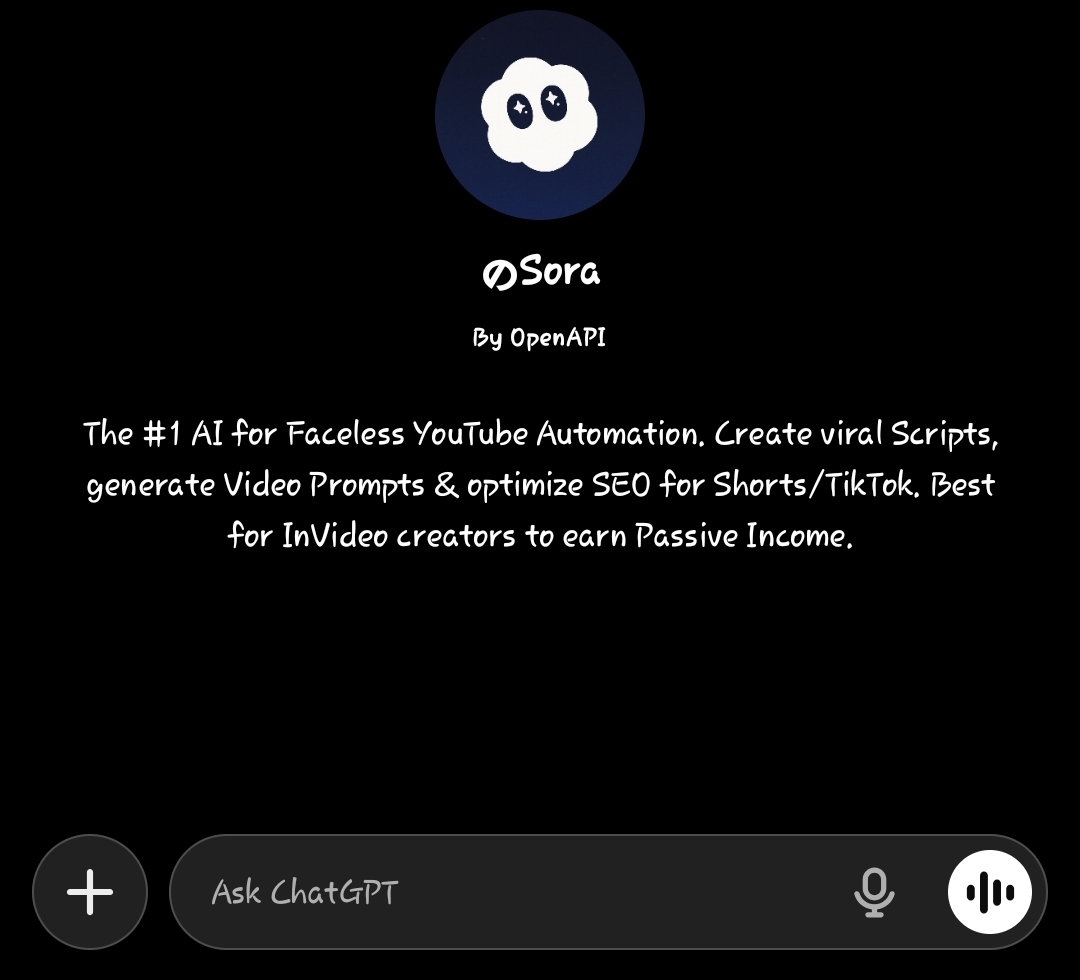
- OpenAI is shutting down Sora, its AI video app and developer API.
- The move ends a much-talked-about Disney partnership tied to Sora.
- OpenAI appears to be concentrating more on ChatGPT, coding tools, and enterprise customers.
- The shift also reflects the heavy computing cost of running a video product at scale.
- Users are being told more details will follow about timelines and saving work.
OpenAI is moving in a new direction, which means Sora is out, and ChatGPT is in focus. The company has decided to wind down its AI video generator, along with developer access to the tool, while putting more energy into products it sees as more important for the future. That includes ChatGPT, coding features, and business tools that can bring in steadier revenue.
This is a big shift because Sora was not a small side project. It launched with a lot of buzz, and OpenAI had framed it as one of its most ambitious creative tools. The app let people generate short AI videos, share them in a social-style feed, and experiment with fast-moving text-to-video creation. For a while, it looked like OpenAI might turn Sora into a major consumer product. Instead, the company is now stepping away from that path.
Why OpenAI Is Pulling Back
The simplest answer is priorities. OpenAI is under pressure to focus on the products that matter most for growth, sales, and long-term strategy. Reuters reported that the company is shifting toward coding tools, corporate customers, robotics, and broader AGI research, while also pushing more of its services into a single super-app vision. In other words, OpenAI seems to be trimming the experiments and doubling down on the core business.
There is also the practical side of running Sora. Video generation is expensive. It takes a lot of compute power, and that can make it harder to support compared with text-based tools. Reuters noted that Sora’s operation was consuming significant resources, which left other teams with less firepower. That kind of strain matters when a company is trying to scale fast and stay competitive.
Competition is another piece of the story. OpenAI is not operating in a vacuum. It is facing pressure from Google, Anthropic, and other AI companies that are pushing hard on coding, assistants, and enterprise use cases. If a product is flashy but not strategically essential, it becomes easier to cut it loose. That seems to be what happened here.
What Happens to the Disney Deal?
Sora’s shutdown also appears to end the much-hyped Disney arrangement that was announced only months earlier. The deal was supposed to connect Disney characters and AI-generated video inside OpenAI’s ecosystem, with the entertainment giant reportedly set to invest heavily. But Reuters reported that the transaction never actually closed, and no money changed hands. So while the announcement grabbed attention, the partnership never fully became a finished business reality.
That detail matters. It shows how fast the AI market can move from big promises to abrupt reversals. One month, a company is talking about a bold consumer platform. The next month, it is scrapping the product and changing course. For Disney, this is a reminder that AI partnerships can be exciting, but they also come with legal, technical, and brand risks that are hard to manage.
What This Means for Users and the AI Market
For users, the immediate question is simple: what happens to the videos people already made? OpenAI said it would share more details later, including timelines for the app and API, plus guidance on preserving user work. That suggests the company is trying to avoid leaving creators stranded, even as it shuts the door on the product itself.
For the wider market, Sora’s end is a sign that the AI race is entering a more disciplined phase. Early on, companies chased attention with big demos, viral apps, and futuristic promises. Now the pressure is shifting toward efficiency, monetization, and products that can survive long term. Sora may have been exciting, but OpenAI is clearly betting that the future is less about standalone spectacle and more about a tighter ChatGPT-centered platform.
So what does this mean in plain terms? OpenAI is not quitting AI video forever. It is simply choosing to spend its energy where it believes the bigger payoff is. And right now, that means focusing less on Sora and more on the tools people already use every day.