
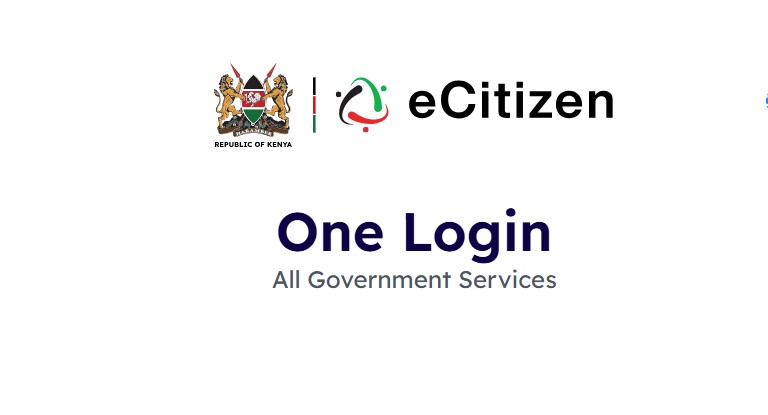
Kenya’s eCitizen platform is adding commercial advertisements and official notices as part of a broader upgrade to the government services portal. The idea is simple: keep the platform useful for citizens while opening up a new revenue stream for the state. According to the platform, the new changes will show approved ads alongside public announcements, and the core services are expected to remain secure and reliable.
At first glance, this may sound like a small update. But it matters because eCitizen is not just another website. It is the main online gateway for many government services in Kenya, and the official portal says it has been built to give citizens one place to access public services and manage government transactions. That makes any change to the platform a big deal for everyday users.
Key Takeaways
- eCitizen will now show commercial ads from approved partners.
- Official notices and announcements will also appear on the platform.
- The platform says services will remain secure and reliable.
- Kenya’s government sees eCitizen as a key digital service channel.
- The move is likely to spark debate about monetizing public platforms.
Why the government may be doing this
The most obvious reason is money. eCitizen has already been a strong income source through its service charges, and the platform has grown into a major part of Kenya’s digital public service system. The article notes that the portal has moved tens of thousands of services online and serves ministries, counties, departments, and agencies across government. In that context, advertising is a natural next step for a platform looking to expand revenue.
There is also a practical side to it. Large digital platforms often use a mix of service fees, partnerships, and advertising to fund maintenance, upgrades, and user support. For a government portal that can help reduce pressure on the public budget while keeping the service running and improving over time. That does not automatically make the idea popular, but it does explain the logic behind it.
What users are likely to notice
For most Kenyans, the first change may simply be a new banner, notice area, or sponsored placement on the site. The platform has not yet explained the exact ad format, so users may see the rollout in stages. What has been promised, though, is that the main services will still work normally and that privacy will continue to be protected. That reassurance matters because people use eCitizen for important tasks and do not want distractions or delays when paying for services.
Still, the shift raises fair questions. Should a government services portal carry commercial messages at all? Some people will see it as a smart way to fund digital infrastructure. Others may worry that it blurs the line between public service and private promotion. That tension is real, especially on a platform that many people treat as a necessary public utility rather than a media product.
What this means going forward
In the bigger picture, this move shows how public digital platforms are changing. They are no longer just tools for filling forms and making payments. They are becoming high-traffic spaces with real commercial value. For governments, this creates an opportunity to raise money and improve services. For users, it creates a new expectation: the platform must stay simple, safe, and trustworthy even as it becomes more commercial.
For now, the key thing to watch is how eCitizen handles the rollout. If the ads are limited, clearly labeled, and kept separate from core services, the change may pass with little friction. If the experience feels cluttered or confusing, public pushback could follow quickly. Either way, this is another sign that Kenya’s digital government services are entering a more commercial phase.