

Key Takeaways
- A large-scale system failure caused multiple Baidu Apollo Go robotaxis to stop unexpectedly on busy Wuhan roads.
- Passengers were left stranded inside driverless vehicles for up to 90 minutes, with some trapped on elevated overpasses.
- Police confirmed the incident was caused by a system malfunction, with no official statement yet from Baidu.
- Dash cam footage shared online showed at least one collision involving a halted robotaxi on a multi-lane highway.
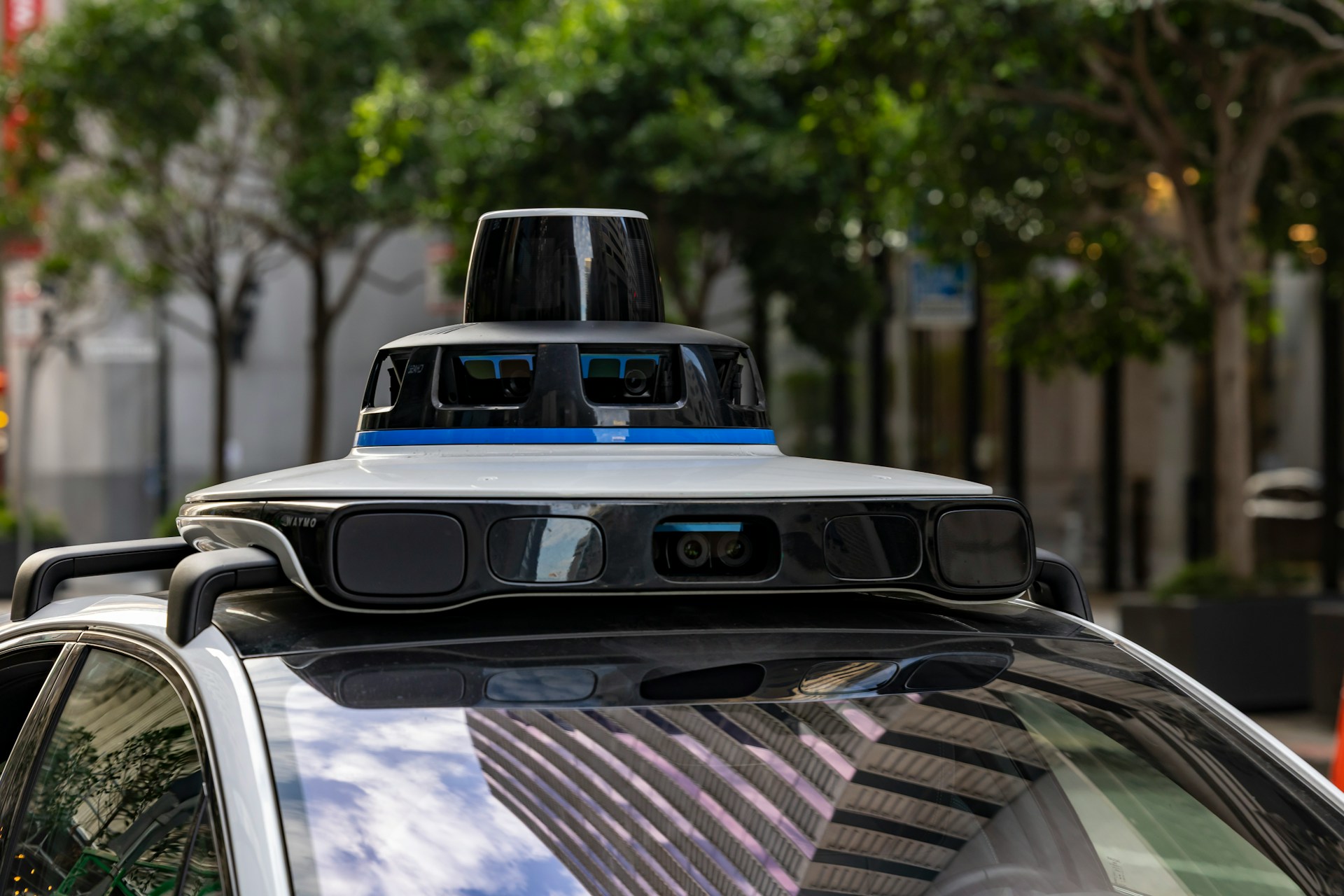
- The outage raises fresh safety concerns for the global autonomous vehicle industry, including services by Waymo and Tesla.
- Experts warn that driverless technology introduces entirely new categories of risk that go beyond ordinary traffic incidents.
A widespread technical failure affecting Baidu’s autonomous taxi fleet brought parts of Wuhan, China, to a standstill this week — stranding passengers inside stationary driverless vehicles and triggering traffic collisions on major roads. The incident has reignited a serious conversation about the safety and reliability of self-driving technology at scale.
Local police confirmed that multiple Apollo Go vehicles, the driverless taxi service operated by Chinese tech giant Baidu, came to a complete halt in the middle of active traffic lanes. The cause was identified as a system outage, though Baidu has not yet issued any public statement addressing what went wrong or how many vehicles were affected.
What Passengers Experienced During the Outage
For riders caught inside the stalled vehicles, it was an unsettling ordeal. One passenger described being stuck inside a robotaxi with two friends for roughly an hour and a half on Tuesday evening. During the trip, the vehicle stopped and restarted several times before eventually parking in front of an intersection. The onboard screen instructed passengers to stay inside and wait for a company representative to come online remotely.
That wait stretched past 30 minutes before anyone could even reach customer support. Another rider described a more alarming situation — stranded on an elevated overpass late at night, surrounded by heavy dump trucks, unable to exit safely. Orders were eventually cancelled by the system without resolution, leaving passengers to find their own way home.
Video footage circulating on social media, including dashcam clips shared on X (formerly Twitter), showed at least one vehicle rear-ending a stopped Baidu car on a busy multi-lane highway. Despite the chaos, police confirmed that no injuries were reported and all passengers were able to exit their vehicles safely.
Why This Incident Matters Beyond China
Here’s the thing: this isn’t just a story about one bad night in Wuhan. It speaks to a much bigger question: what happens when autonomous vehicle systems fail at scale?
With a fleet of over 500 fully driverless cars already operating in Wuhan alone, Baidu’s Apollo Go is one of the most ambitious robotaxi deployments anywhere in the world. When even a fraction of that fleet goes offline simultaneously, the consequences ripple through traffic infrastructure in ways that a single broken-down vehicle simply wouldn’t.
Robotaxi skeptics have long pointed to exactly this type of scenario, not a dramatic crash, but a quiet software failure that leaves dozens of heavy vehicles parked in the worst possible spots. Add to that the difficulty passengers face in exiting a car they didn’t drive and navigating a highway on foot, and the risks become very real.
A professor of science and technology policy at University College London noted that while autonomous driving may perform safely under normal conditions, incidents like this demonstrate it can still fail in entirely novel ways — ways that existing safety frameworks weren’t designed to anticipate.
A Pattern Emerging Across the Industry
Baidu isn’t the only company navigating these challenges. Tesla’s robotaxi operations have drawn scrutiny after data suggested its vehicles were involved in crashes at a higher rate than human-driven equivalents, even with a safety monitor present. Waymo, widely regarded as a leader in driverless technology, experienced a similar fleet-wide disruption in San Francisco following a power outage — vehicles stopped mid-route because they couldn’t interpret road signals and traffic lights without a functioning data connection.
Now, with Uber and Lyft reportedly in discussions to bring Baidu’s Apollo Go vehicles to UK roads for trials in 2026, this incident could introduce significant delays or regulatory hurdles to those plans.
The promise of autonomous transport is real — fewer accidents caused by human error, more efficient traffic flow, and greater mobility for those who cannot drive. But incidents like Wuhan’s robotaxi outage are a reminder that the technology is still maturing. The challenge isn’t just building a car that can drive itself. It’s building a system that fails safely, communicates clearly, and keeps passengers protected even when something goes wrong. That standard hasn’t fully been met yet — and the people who were stranded on Wednesday night would be the first to say so.