

- Edwin Sifuna urged supporters to finance his movement through small public donations.
- The Linda Mwananchi movement says it wants to rely on ordinary Kenyans instead of wealthy political sponsors.
- Sifuna presented grassroots fundraising as a way to improve accountability in politics.
- The Bungoma rally formed part of a wider political mobilisation campaign ahead of the 2027 elections.
- The funding model has sparked discussion about transparency, citizen participation, and campaign financing.
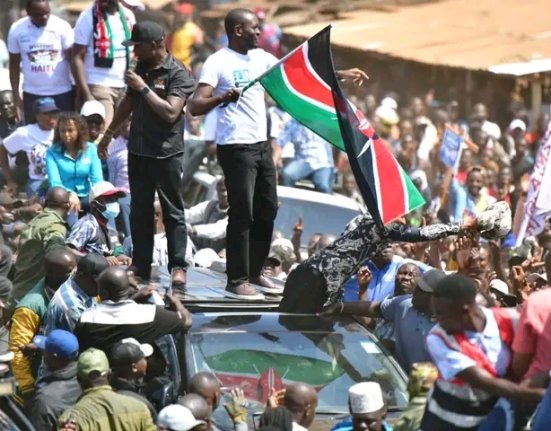
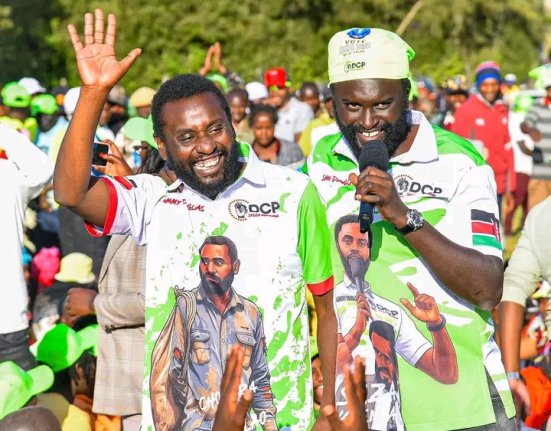
Edwin Sifuna used a major rally in Bungoma to promote a grassroots funding model for his Linda Mwananchi movement, encouraging supporters to contribute small amounts of money rather than relying on a few wealthy financiers. The approach is designed to make ordinary citizens the movement’s primary source of financial support as it expands its nationwide political campaign.
The event attracted large crowds and marked another step in Sifuna’s growing political mobilisation ahead of Kenya’s 2027 General Election. His message focused on citizen participation, accountability, and reducing the influence of wealthy donors in political campaigns.
Why Grassroots Campaign Funding Matters
Political campaigns require significant resources to organise rallies, travel across the country, communicate with voters, and support volunteers. Traditionally, many campaigns depend on large contributions from influential individuals or business interests.
Sifuna argues that a different approach is possible. Instead of receiving a few large donations, he says thousands of small contributions from ordinary Kenyans can help finance campaign activities while allowing leaders to remain accountable to the public rather than a handful of powerful backers. 2
Here’s the thing: when many people contribute small amounts, they often feel more invested in the movement’s success. It can strengthen public participation and create a stronger connection between leaders and supporters.
The Bungoma Rally and Political Message
The Bungoma gathering formed part of Sifuna’s broader tour across Western Kenya, where he has been meeting supporters and outlining his political agenda. Organisers described the rally as an important milestone in expanding the Linda Mwananchi movement beyond its traditional support base.
During the event, Sifuna reiterated that his movement aims to build support from the grassroots instead of depending on elite political networks. He encouraged supporters to make modest contributions, saying every donation, regardless of size, carries equal value in building a people-driven campaign.
The fundraising strategy follows the earlier launch of an official paybill through which supporters can send small contributions to help cover logistics and campaign activities.
Can Small Donations Change Campaign Politics?
Small-donor fundraising has become an increasingly common feature in democracies around the world. Supporters often see it as a way to reduce dependence on large financial backers while encouraging wider public involvement in elections.
At the same time, experts generally note that transparency remains essential. Campaigns built on public donations still need clear financial reporting and strong accountability measures to maintain public trust.
So what does this mean for Kenya? Whether this model becomes widely adopted may depend on how consistently it is implemented and whether voters believe it delivers greater openness in political financing.
Looking Ahead
The Bungoma rally highlighted more than campaign mobilisation. It also brought renewed attention to how political movements are financed and the role ordinary citizens can play in supporting candidates they believe in.
As preparations for the 2027 General Election continue, the Linda Mwananchi movement’s grassroots funding strategy is likely to remain a key part of its public message. Whether it becomes a lasting model for political fundraising will depend on public participation, transparency, and the movement’s ability to sustain nationwide support over the coming months.