
- More than 1,000 people have died in the latest Ebola outbreak affecting the Democratic Republic of Congo and Uganda.
- The outbreak is driven by the Bundibugyo strain, which currently has no approved vaccine or specific treatment.
- Conflict, insecurity, and limited healthcare access are making it difficult to contain the virus.
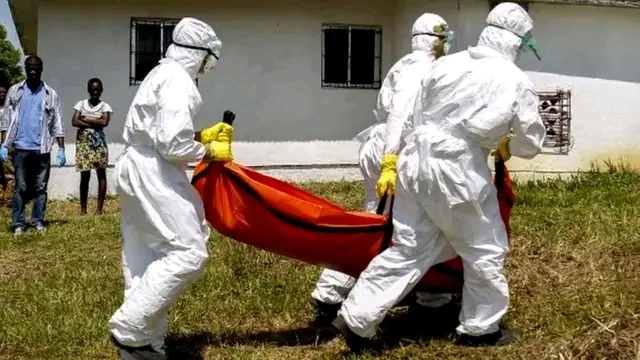
- Health experts say early detection, contact tracing, and safe burials remain the strongest tools to slow transmission.
- Uganda has reported only a small number of cases, with no new infections recorded in recent weeks.
The Ebola outbreak in the Democratic Republic of Congo (DRC) has now claimed more than 1,000 lives, making it one of the country’s most serious public health emergencies in recent years. While neighboring Uganda has also recorded infections, the vast majority of cases remain inside eastern Congo, where health workers continue to face enormous challenges containing the deadly virus.
The outbreak began in May and has spread rapidly across several provinces. Health officials warn that the virus is moving faster than response teams can keep up, raising concerns about further regional transmission if control measures are not strengthened.
Why this Ebola outbreak is especially difficult to contain
Unlike some previous Ebola outbreaks, this one is caused by the Bundibugyo strain. That matters because there is currently no approved vaccine or targeted treatment for this version of the virus.
Doctors must instead focus on supportive medical care, early diagnosis, isolation of patients, and careful monitoring of people who may have been exposed. These measures can save lives, but they require strong healthcare systems and community cooperation.
Unfortunately, many of the hardest-hit areas in northeastern Congo are affected by armed conflict, poor road networks, and limited medical facilities. These conditions make it difficult for health workers to trace contacts quickly and safely.
Community cooperation remains a key challenge
Ebola spreads through direct contact with infected body fluids. It can also spread during traditional burial practices if proper safety measures are not followed.
Health experts say a single unsafe burial can trigger many new infections. In some communities, fear, misinformation, and distrust of authorities have made outbreak control even harder. Families sometimes