
Key Takeaways
- FIFA has signed ADI Predictstreet as its first official prediction market partner.
- The deal covers the 2026 World Cup across the United States, Canada, and Mexico.
- Fans will be able to forecast match outcomes, tournament stats, and standout moments.
- The platform will also support FIFA’s free-to-play bracket challenge.
- The move links football, blockchain, and fan engagement in one package.
- There are also integrity concerns, since prediction markets are under growing scrutiny.
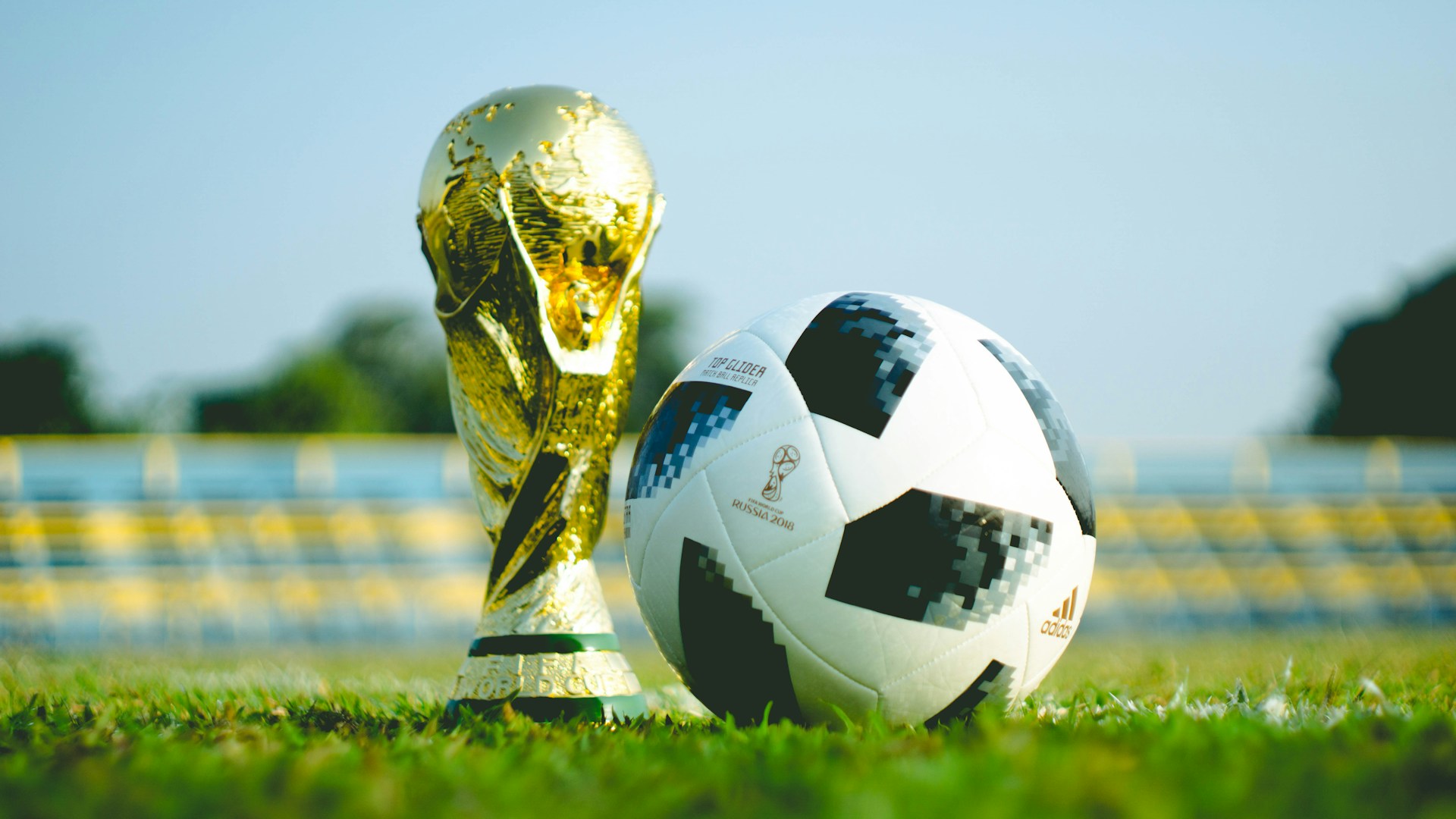
FIFA is bringing prediction markets into the 2026 World Cup in a big way. The football body has chosen ADI Predictstreet as its first official prediction market partner, giving fans a new way to follow the tournament and make forecasts based on real match data. In simple terms, FIFA wants supporters to do more than watch games. It wants them to predict what happens next.
The deal covers the expanded 48-team World Cup, which will be played across 16 host cities in the United States, Canada, and Mexico. ADI Predictstreet will let fans predict match results, tournament statistics, key moments, and standout players across the 104-game competition. It will also host FIFA’s free-to-play bracket challenge, which should make the tournament more interactive for both casual fans and serious football followers.
What the deal includes
The new partnership is not just about guessing scores. It is built around a broader fan experience. That means people may be able to engage with the tournament in a more playful, data-driven way, using official FIFA historical information as part of the platform.
ADI Predictstreet will run on ADI Chain, an Ethereum layer-2 network. That matters because it ties the project to blockchain infrastructure rather than a traditional sports media product. For FIFA, the message is clear: the World Cup is no longer only a broadcast event. It is becoming a digital experience with interactive layers built around it.
One important detail stands out. ADI Predictstreet has not yet publicly launched its platform. So while the partnership sounds ambitious, the real test will be whether it can actually deliver a smooth and trustworthy product before the tournament begins.
Why this move matters
This deal shows how sports organizations are experimenting with new ways to keep fans involved. Prediction markets can feel like a mix of analysis, community, and friendly competition. They give supporters something to talk about before kickoff, during the match, and after the final whistle.
That said, this is not a simple marketing story. Prediction markets have been closely watched because of concerns about insider trading and fairness. FIFA says the platform will operate within its integrity and regulatory rules, with real-time monitoring for suspicious activity. That safeguard will be important, because trust is everything when money, forecasts, and sports results come together.
FIFA also made an unusual choice by partnering with a relatively new platform instead of a bigger name in the market. That could help ADI Predictstreet stand out, but it also raises the pressure. If the platform works well, FIFA may have found a fresh model for fan engagement. If it falls short, the partnership could look like a risky experiment.
The bigger picture
There is a broader trend behind this announcement. Sports leagues and organizers are looking for ways to keep fans active, not passive. They want people to predict, react, share, and return again and again. Prediction markets fit that goal neatly, especially for a global event like the World Cup.
For ADI, the deal is also a major breakout moment. A FIFA partnership puts the platform in front of a massive worldwide audience and gives the company instant visibility. For FIFA, it is another sign that the 2026 World Cup will be about more than football alone. It will also be about technology, engagement, and how far fan interaction can be pushed.
Now, the key question is simple: will fans embrace prediction markets as part of the World Cup experience? If the platform launches smoothly and feels useful, the answer could be yes. Either way, FIFA has already shown that it is willing to try something new for the biggest tournament in world football.