
Key Takeaways
- David Sacks is no longer serving as the White House AI and crypto czar after reaching the limit for special government employees.
- He is moving into a new advisory job as co-chair of the President’s Council of Advisors on Science and Technology, or PCAST.
- The White House says PCAST will advise the president on emerging technology and its impact on the American workforce.
- The first PCAST appointments include major tech figures such as Mark Zuckerberg, Sergey Brin, Jensen Huang, and others.
- Sacks played a major part in Trump’s AI push, including policy changes around AI chips and the administration’s new AI framework.
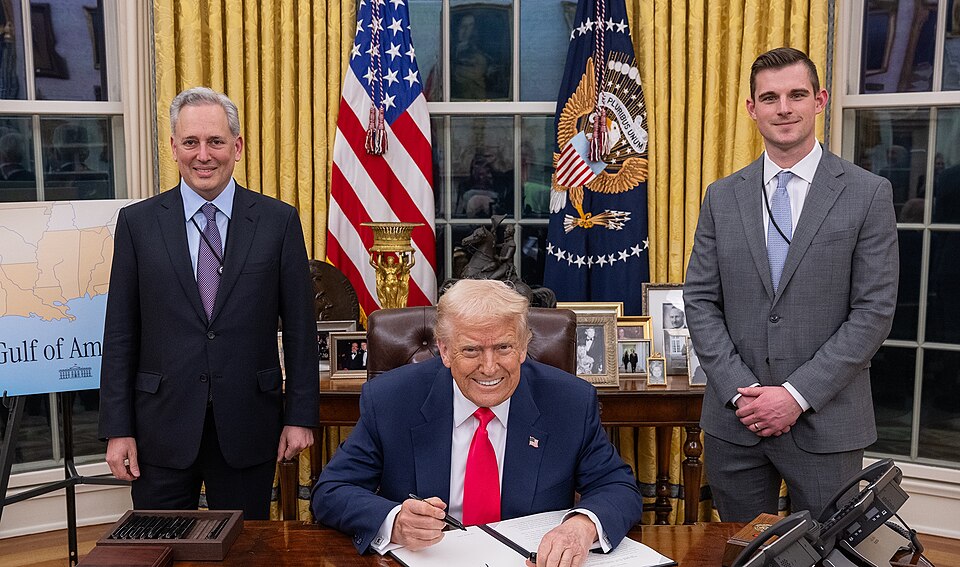
David Sacks is stepping out of his formal White House AI and crypto czar role, but he is not disappearing from the tech policy scene. He has reached the end of his time as a special government employee, and now he will help lead the President’s Council of Advisors on Science and Technology, better known as PCAST. This means, his job is changing from a hands-on gatekeeper to a broader advisor. That shift matters because it keeps him close to the center of power while giving him a wider policy lane.
What changed
The key reason for the move is simple: the special government employee clock ran out. Under U.S. rules, those appointees can only work a limited number of days in a 12-month period, and Reuters reports that Sacks had hit that ceiling. The Verge says he explained the change during a Bloomberg Television interview. Instead of holding the AI and crypto czar title, he will now co-chair PCAST with Michael Kratsios. The White House announced the first round of PCAST members on March 25, 2026, alongside a group packed with high-profile tech names.
Now, here is the interesting part: this is not a full exit from influence. PCAST is designed to advise the president and make recommendations, and the White House says it will focus on the opportunities and challenges that new technology creates for workers and the wider economy. So while Sacks is losing one title, he is gaining a platform that can reach beyond AI alone. That makes the move feel less like a goodbye and more like a reshuffle.
Why the move matters
Sacks has been one of the most visible tech voices inside the Trump administration. During his time as AI czar, he helped shape a more relaxed approach to AI regulation, including changes to Biden-era limits on AI chip shipments to China. He also backed the administration’s new AI policy framework. At the same time, his aggressive style created political headaches, especially when he pushed hard for a federal override of state AI laws. That mix of influence and controversy helps explain why this transition is getting so much attention.
There is also the political side. Sacks recently criticized Trump’s approach to the Iran conflict, which stood out because administration officials usually avoid that kind of public break. So the advisory shift may also be a cleaner way for the White House to keep a powerful ally nearby without leaving him in a highly exposed frontline role. In politics, that kind of move is common: keep the talent, soften the spotlight.
What comes next
The broader takeaway is that the White House is building a bigger tech brain trust, and Sacks is still part of it. The newly announced PCAST includes leaders from across Silicon Valley, and the administration says the council may grow to as many as 24 members. That suggests the White House wants a standing group of outside experts who can feed ideas into policy on AI, chips, crypto, and other emerging technologies. For Sacks, the title changes, but the access remains. For the administration, the message is even clearer: tech policy is still being shaped by insiders who know the industry from the inside out.
So, no, this is not the end of David Sacks’ White House influence. It is a rebranding of it. He is moving from a narrow czar role into a wider advisory seat, and that could make his voice even more useful as Washington keeps wrestling with AI rules, crypto policy, and the future of American tech leadership.