

Key Takeaways
- The new AI Personality of the Year contest puts virtual creators in the spotlight.
- OpenArt, Fanvue, and ElevenLabs are backing the awards.
- The competition includes a total prize fund of $90,000.
- Entries are judged on quality, social reach, brand fit, and story.
- The contest also raises big questions about authenticity and accountability.
The AI Personality of the Year contest is a sign that AI influencers are moving from internet oddity to real business. What started as a strange niche is now being treated like a creator economy of its own, complete with awards, judges, categories, and prize money.
At the center of it all are OpenArt and Fanvue, with support from ElevenLabs. Their new contest is built around a simple idea: AI characters are no longer just experiments. They are now being shaped, marketed, and followed like public-facing personalities. That shift matters because it shows how fast the world of digital creators is changing.
What the contest is really about
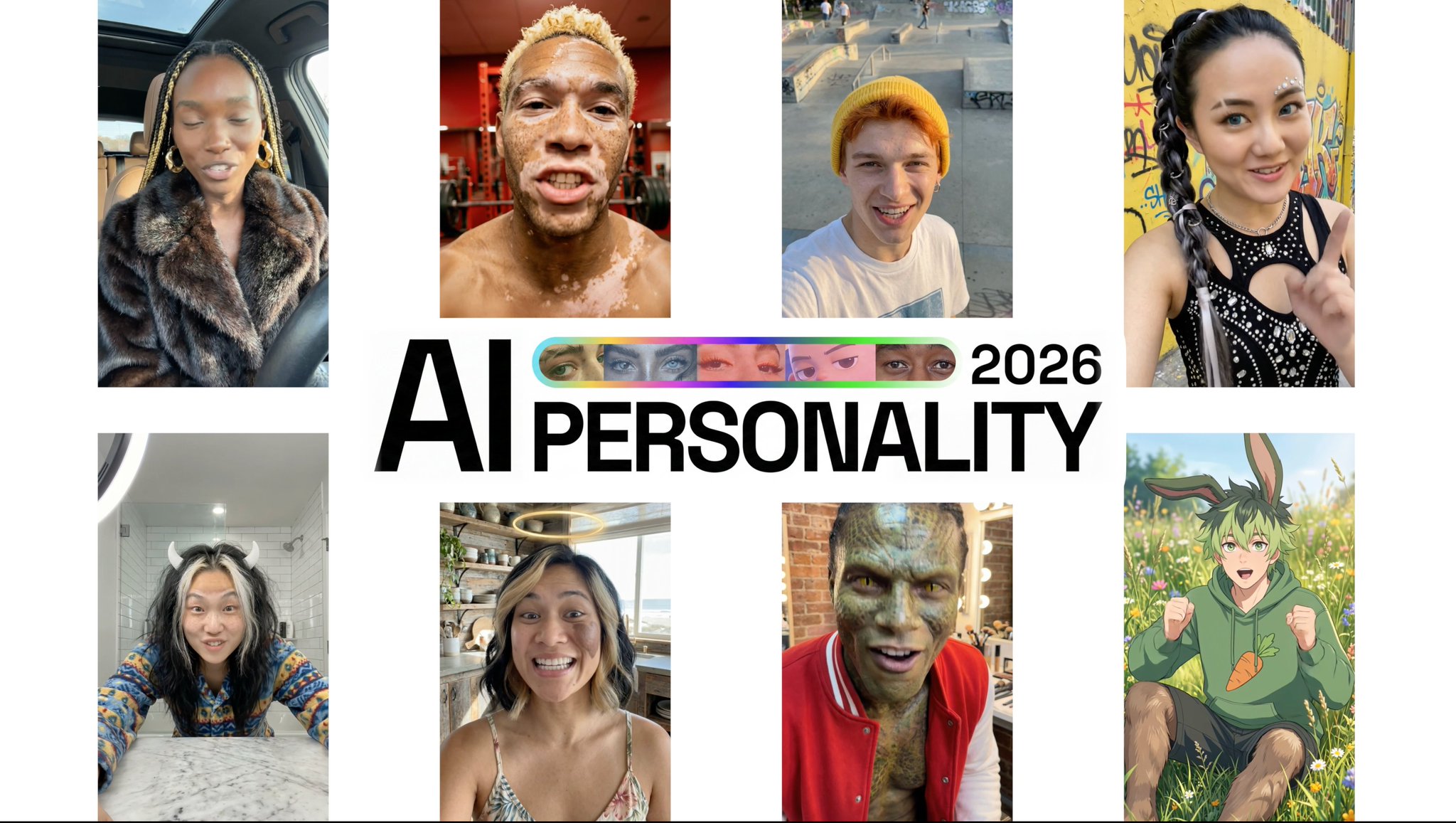
The awards are designed to celebrate the people building AI influencers, not just the avatars themselves. Entrants create their characters on OpenArt, submit their profiles, and explain the story behind the persona. The contest covers several categories, including fitness, lifestyle, comedy, music and dance, and fictional or fantasy-style characters.
There is also serious money on the table. The competition offers a $90,000 prize pool, with winners set to be recognized at a May event that the organizers are pitching as the “Oscars” for AI personalities. That framing says a lot. This is not being treated like a toy or a side project. It is being sold as a new creative industry.
The appeal is easy to understand. AI influencers can post constantly, stay on brand, and adapt quickly. They never get tired, never age, and never miss a content window. For brands and creator platforms, that is a powerful combination. For audiences, it can be entertaining, polished, and oddly familiar, like following a character in a long-running show that never ends.
How winners are judged
The judging process mixes creative and commercial standards. According to the contest criteria, submissions are scored on quality, social clout, brand appeal, and the story behind the avatar. In plain terms, the character has to look good, attract attention, fit commercial goals, and feel like it has a believable identity.
That last part is especially interesting. Judges are not just looking for good visuals. They also want consistency across platforms, active engagement with followers, and details that feel correct and coherent. Yes, even small things matter, like making sure the character appears complete and believable from post to post.
This is where AI influencer culture gets tricky. The whole concept depends on selling a kind of synthetic authenticity. The audience knows the persona is not real in the traditional sense, but it still has to feel real enough to follow, enjoy, and trust. That balance is what makes the category work.
Why the contest draws both excitement and concern
There is real creativity here, and plenty of people are clearly building thoughtful, original characters. But there is also a darker side. AI-generated personas can blur the line between performance and deception. They can be used to build audiences fast, hide who is really behind the account, or dress up recycled ideas as something new.
That is why the conversation around this contest goes beyond novelty. It touches on originality, bias, and accountability. Who owns an AI-created face? How much of the personality is truly original? And what happens when anonymous creators use fictional identities to build influence without much public scrutiny?
These are not small questions. They sit right at the heart of the AI creator boom. The same tools that make it easy to produce a polished virtual star also make it easier to flood the internet with shallow or misleading content. That tension is becoming harder to ignore.
What it means for the future of creators
Still, the direction is clear. AI influencers are becoming part of the mainstream creator landscape, whether people love that idea or not. Contests like this give the category structure, recognition, and a stronger business case. They also show that virtual characters are no longer just internet gimmicks. They are now being treated like a serious content format.
So what does this mean going forward? It means the next wave of online fame may not come only from human creators. It may also come from carefully designed digital personalities with their own style, audience, and brand strategy. That may sound futuristic, but it is already here.
The AI Personality of the Year contest is not just about crowning a winner. It is about showing where the creator economy may be headed next. And whether people see that as exciting or unsettling, one thing is clear: AI influencers are no longer on the sidelines.