
A Kenyan High Court has ruled that mobile phone numbers are more than just lines for calls and texts. In the court’s view, a registered phone number is part of a person’s digital identity, which means it deserves privacy protection. The decision now makes it much harder for telecom companies to recycle inactive numbers and hand them to someone else without proper checks.
This ruling matters because a phone number is often tied to everything from M-Pesa and banking alerts to WhatsApp, email, and government accounts. In simple terms, losing control of your number can mean losing control of a large part of your online life. That is exactly what the court wanted to prevent.
Why the Court Stepped In
The case challenged a common telecom practice: when a number goes inactive for a long time, the provider may deactivate it and later reassign it to a new customer. On the surface, that may look like normal number management. But the petition argued that the old owner can still have sensitive data linked to that number, even after it stops being active.
The court agreed that this practice can expose private information. A recycled number may receive money meant for the previous owner, one-time passwords, bank alerts, social media codes, or family messages. That creates a real privacy and security risk, especially in a country where mobile numbers are deeply connected to digital services.
A Phone Number Is Now a Digital Identifier
One of the biggest ideas in the ruling is that a phone number is not just a telecom asset. It can function like a digital ID. It links a person to private, financial, and personal information, which is why the court said it should be protected under Kenya’s constitutional privacy provisions.
That matters because many people treat their phone number as a permanent contact point. It is used to verify accounts, receive transaction messages, and reset passwords. So when a number changes hands too easily, the new user may end up seeing details that were never meant for them.
What the Judgment Changes for Telecoms
The court did not ban number reassignment outright. Instead, it set clear conditions that telecom providers must follow before they can recycle a number. The first requirement is informed and verifiable consent from the original owner. That means the company cannot simply assume silence equals permission.
Second, reassignment can only happen after a reasonable waiting period and public notice, plus a documented process showing that the original owner could not be found or has clearly given up the number. Third, providers must build technical safeguards so the next user cannot access the previous owner’s messages, OTPs, or financial alerts.
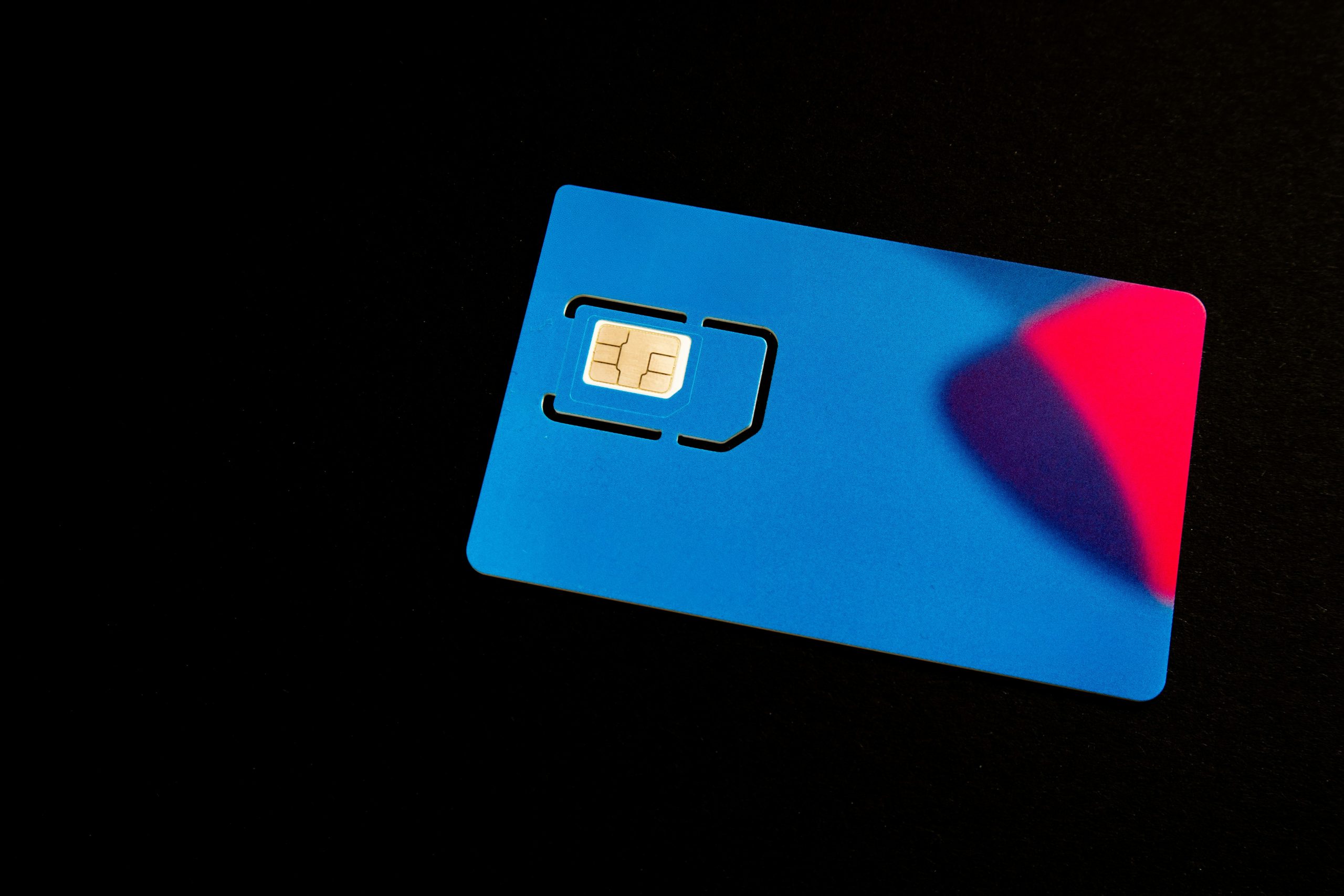
In practice, this means telecoms must do more than just deactivate a SIM and move on.
They now have to show that they checked the reason for inactivity, gave proper notice, and protected any data still attached to the line. That is a major shift from a purely operational approach to one that puts privacy first.
Why This Is Especially Important in Kenya
Kenya’s mobile ecosystem is tightly linked to everyday life. People use phone numbers for banking, mobile money, school communication, work groups, customer verification, and even public services. Because of that, a phone number can carry a lot more information than many users realize.
The court also pointed out that inactivity does not always mean a user no longer wants the number. Some people may be in prison, in a school with strict phone rules, or living abroad in places where roaming or topping up is difficult. In those cases, automatic deactivation can unfairly strip someone of access to a digital identity they still need.
That point is important because it shows why a one-size-fits-all rule can be risky. Life is messy. People travel, fall ill, change routines, or lose access to devices for reasons that have nothing to do with abandoning a number. The court said telecom policy should reflect that reality.
What This Means for Consumers
For regular phone users, the ruling is a reminder to treat your mobile number with care. It is not just a contact detail. It is often the key that unlocks accounts, payment systems, and personal communications. If a number is left unused for a long time, the risks do not disappear just because the SIM is quiet.
It also means consumers should be more aware of how telecom inactive policies work. For example, Safaricom’s terms say a line can enter expiry after 120 days of inactivity following the end of the validity period of the last top-up. The company also offers a paid Daima service for keeping dormant lines active.
That does not mean every inactive line is in danger tomorrow. But it does mean users should understand the rules attached to their number, especially if they travel often, keep a backup line, or use one number for banking and mobile money.
A Broader Trend Across Africa
Kenya is not the only country thinking about this problem. The ruling reflects a wider regulatory trend across Africa, where communications regulators are paying closer attention to number recycling and identity risks. Nigeria’s telecom regulator, for instance, has proposed a warning period before inactive or postpaid lines are recycled.
That suggests something bigger is happening. Regulators are beginning to recognize that a mobile number can hold serious personal value. As more services depend on SMS verification and mobile wallets, the need for safer reassignment rules becomes even more urgent.
Final Takeaway
The Kenyan High Court’s ruling sends a strong message: a dormant phone number is not just spare inventory for telecom companies. It can be part of a person’s private digital life. By requiring consent, notice, verification, and technical protection before reassignment, the court has placed privacy ahead of convenience.
For consumers, the lesson is simple. Your phone number is more valuable than it looks. For telecoms, the message is even clearer: recycling numbers now comes with a higher legal and privacy burden. And for Kenya’s digital future, this could become an important step toward stronger protection of personal data.