

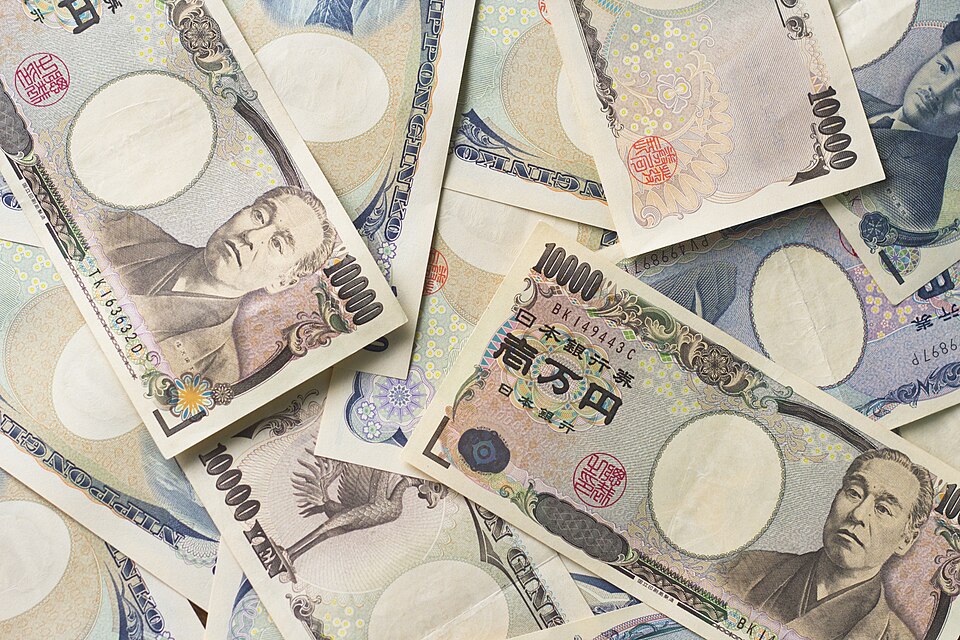
The Japanese yen is still under pressure, and the next big question for markets is what the Bank of Japan will do next. After the U.S. Federal Reserve kept rates unchanged and sounded cautious about inflation, traders shifted their attention back to Japan, where the BOJ also left its policy rate at 0.75% and warned that higher oil prices could add to inflation pressure.
That matters because currency traders do not just watch interest rates in isolation. They compare one central bank with another. When the Fed sounds firm, and the BOJ moves more slowly, the dollar often gains an edge over the yen. That is exactly the tension now facing Japan’s currency market.
Why the Yen Is Struggling
The yen has been weak for a while, and the latest central bank decisions did not give it much relief. The BOJ kept rates steady, even though two board members wanted a faster move higher. At the same time, the U.S. dollar stayed supported after the Fed held rates and signaled only one cut for the year, which kept pressure on the yen.
There is also a bigger problem behind the scenes: rising oil prices. The conflict in the Middle East has pushed energy markets higher, and Japan relies heavily on imported fuel. When oil climbs, Japan’s import bill rises too. That can weaken the yen further and push up prices for households and businesses.
So the yen is caught in a squeeze. On one side is a strong dollar. On the other is rising energy costs. For a currency that has already been under pressure, that combination can make every move feel heavier.
What the Bank of Japan Said
The BOJ did not sound alarmed about growth. Instead, Governor Kazuo Ueda said the board was paying slightly more attention to upside inflation risks than to downside growth risks caused by the conflict. In plain language, that means the central bank is worried that prices may rise more than expected, even if the economy slows a little.
Ueda also said household and corporate activity had been solid before the Middle East conflict worsened, and that government stimulus should help support the economy. That is an important clue. It tells markets the BOJ is not rushing to cut back on tightening just because the outlook has become more complicated.
In the BOJ’s own statement, policymakers said global markets had become volatile and that rising crude oil prices were likely to add upward pressure to consumer inflation. That is a key point for traders, because it shows the central bank is still watching inflation closely, even while keeping rates unchanged for now.
Why Some Investors Think an April Hike Is Still Possible
Even though the BOJ held rates this time, the decision did not rule out another hike soon. Ueda said the bank’s next quarterly review of growth and price forecasts in April will be important, because officials will have more data to judge whether the current scenario still holds. He also said policy could shift if risks become hard to ignore.
That is why some market participants are still talking about April. Two board members had already voted for higher rates, and Ueda’s comments did not sound especially cautious. To many investors, that keeps the door open for another move if inflation stays firm and the yen weakens further.
Markets were already pricing in that possibility. Reuters reported that traders saw roughly a 60% chance of another BOJ rate hike in April. That is not a guarantee, of course, but it shows how closely investors are watching each new clue from the central bank.
The Role of the Fed in the Bigger Picture
The Fed’s decision matters because it shapes the gap between U.S. and Japanese yields. When the Fed stays firm and Japan moves more slowly, the yen often loses ground against the dollar. That is especially true when investors believe the U.S. economy can support higher rates for longer.
This week’s central bank meetings made that difference even clearer. Reuters noted that the Fed and the Bank of Canada both held rates, but did so with a more hawkish tone because of the inflation risks tied to higher oil prices. In other words, central banks are not relaxed right now. They are trying to balance slowing growth against the risk that inflation flares up again.
For the yen, that is a difficult environment. The BOJ wants to keep normalizing policy, but it also has to avoid moving too fast and shocking the economy. That balancing act is one reason the currency has become so sensitive to every speech, forecast, and price update.
Why Oil Prices Matter So Much for Japan
Japan does not produce enough energy to insulate itself from global oil shocks. When crude prices jump, the cost filter reaches Japanese consumers through transport, utilities, and everyday goods. That can lift inflation, but not always in a healthy way. Imported inflation is painful because it raises costs without necessarily making people richer or businesses stronger.
That is why the BOJ is watching the oil market so closely. Higher energy prices can support the case for tighter policy, but they can also damage growth by squeezing household budgets. The central bank has to decide which risk is more serious at each stage. Right now, it appears that the inflation side deserves more attention.
What the New Inflation Indicator Could Change
Ueda also said the BOJ plans to release a new price indicator by summer. The idea is to strip out one-off factors and get a cleaner view of underlying inflation. That may sound technical, but it could matter a lot. A clearer inflation measure could help policymakers defend future rate hikes if they decide more tightening is needed.
This is important because headline inflation can be distorted by temporary moves in energy or subsidies. A better measure may give the BOJ a more stable guide for policy. For markets, that means more clarity. For the BOJ, it means more room to explain why it is moving, or not moving, at a certain pace.
What Comes Next for the Yen
For now, the yen’s path will likely depend on three things: oil prices, the BOJ’s tone in April, and whether the currency weakens enough to trigger official concern. Finance Minister Satsuki Katayama has already warned speculators not to push the yen too far, and Ueda himself said currency moves can have a larger impact on inflation than before.
The takeaway is simple. The yen is not just reacting to one rate decision. It is reacting to a wider mix of global stress, higher energy costs, and a central bank that is still trying to find the right pace for policy normalization. If inflation stays hot and the yen remains weak, pressure will keep building for the BOJ to act sooner rather than later.
For investors, exporters, importers, and households, that means the next BOJ meeting is likely to matter a lot. The central bank may have paused for now, but the debate around the yen is far from over.